
Chicago UBF
>
Poetry and Wisdom
>
Psalms 18:1-50
2025 Summer Series-2: “He Equips Us"
- by P. Mark Vucekovich
- Jun 02, 2025
- 593 reads
Question
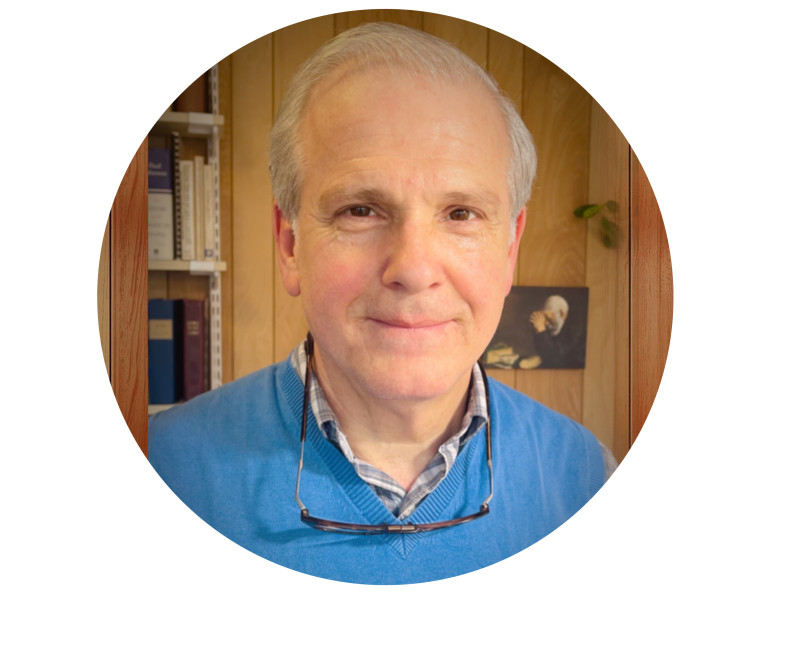
Messenger: Mark Vucekovich (Chicago UBF Senior Pastor)
HE EQUIPS US
*Introduction to Summer 2025 Special Series in Psalms: (Click)
Psalm 18:1–50 (ESV)
Key Verse: 18:32, “the God who equipped me with strength and made my way blameless.”
- Who is the author and what is the setting (see opening note; cf. 2 Sam.22)? What does the psalmist first say to and about God (1–3)? What kind of man would say these things?
- How are God and his salvation described (4–15), and why is prayer so important (6)? How has God shown his care for his servant, and why (16–19)?
- How has the LORD dealt with the psalmist, and why (20–24)? What can we learn here about God (25–27)? What has the psalmist experienced (28–29)? What else has he learned about God (30)?
- What does the psalmist ask, and why (31)? In what ways has God helped him (32–36)? How did God give him victory in battle (37–42)? How can we be equipped with strength from God, and why is this important (2,32,39; cf. Eph.3:16–18; 6:10–11; 1 Pet.4:11)?
- How did God exalt his servant (43–48), and how does this look forward to Jesus? How does the psalmist respond to this (49)? What does he conclude (50), and what can we learn from this?
File attachments:
Message
HE EQUIPS US
Psalm 18:1–50
Key Verse: 18:32 “...the God who equipped me with strength, and made my way blameless.”
Do you ever feel disconnected, like nothing matters? Today’s Psalm tells us just the opposite, that who we are and what we do does matter. Why? Surprisingly, it’s not really because of us, but because of God, the one who “lives” (46a). He’s the one true God (31). He may seem far off, but he’s always there, watching and listening. Having this living God in our lives changes everything. He can turn what looks like a defeat into a triumph. He’s our one true refuge, our strong Shepherd. Like his servant David, we too can get connected to this living God. And when we do, he not only rescues us; he equips us. But for what? Mainly, it’s for the spiritual battle. So how do we get connected to this living God? How does he equip us? And what is our battle? It’s actually urgent that each one of us finds answers to these questions. May God speak to us through his word.
This Psalm is long, but it’s packed with energy. It begins and ends with hearty praise to God (1–3,49–50). Why is David praising him? Mainly because God helped him defeat his enemies. His name, “the LORD,” is repeated here 19 times. He’s LORD of the highest heavens, and LORD of the deepest depths. As David says in verse 31, “For who is God, but the LORD?” The LORD always brings down the haughty, but saves “a humble people” (27; Luke 1:52).
What kind of “LORD” is he? Look at verses 1–3. For those who trust in him, this living God is our strength, our rock, our refuge, our fortress, our deliverer, our shield, the horn of our salvation, and our stronghold. This Psalm repeats the word “rock” four times (2,31,46). Because David experienced God as his rock, he begins, “I love you, O LORD, my strength” (1a). How can David’s confession become ours? It’s through the good news of Jesus. Jesus is our rock of salvation.He came to save us from our sins; he’s the power of God for the salvation of everyone who believes.
The devil tries to keep us enslaved and hopeless. But Jesus our horn of salvation crushes the horn of Satan in our lives (Luke 1:69). We may get entangled in chains to sin, but Jesus, the Son of God, sets us “free indeed” (John 8:34–36). How? If we repent and believe in him, he baptizes us with the Holy Spirit, who sets us free from the law of sin and death. The Holy Spirit restores us in a right relationship with God, in intimate love as a child and Father (Rom.8:14–16). So by faith in Jesus we can praise God as David did. Read verse 3 again. David adds that God is “worthy to be praised,” unlike fake gods or human beings. And here David is speaking about the present. He has been depending on God, experiencing his gracious help, so he keeps calling on the LORD and keeps experiencing his salvation from enemies.
David’s main enemies were the enemies of Israel. They all would have loved to kill him. But he had enemies among his own people, too. This Psalm’s title says God delivered David “from the hand of Saul.” Saul, king of Israel, became jealous of David and kept hurling a spear at him to kill him, and when David fled, Saul pursued him all over the wilderness. David’s own son Absalom became his enemy and led a national rebellion against him, and his trusted advisor Ahithophel turned against David and joined Absalom. There were others like Sheba and Shimei. Even David’s wife Michal became a kind of enemy.
It’s hard to relate to having so many enemies; it may seem only for top leaders. But we Christians all have enemies. Sometimes they’re people, but not always. Our own desires lure and entice us, which gives birth to sin that ruins us (James 1:14–15). Through our enemy death we’re all subject to lifelong slavery to fear (Heb.2:15). And there’s another enemy. Peter tells us, “Be sober-minded; be watchful. Your adversary the devil prowls around like a roaring lion, seeking someone to devour” (1 Pet.5:8). Paul tells us, “For we do not wrestle against flesh and blood, but against the rulers, against the authorities, against the cosmic powers over this present darkness, against the spiritual forces of evil in the heavenly places” (Eph.6:12). As Luther’s hymn goes, this world is filled with devils who “threaten to undo us” (A Mighty Fortress is Our God, 1529). These “devils” try to ensnare us in sin, doubt, and unbelief, and make us useless.
Surrounded by enemies, David just about died, and it was real (4–5). This foreshadows what God’s Son Jesus would go through on the cross. What did David do? He says, “In my distress I called upon the LORD; to my God I cried for help” (6a). He could’ve just groaned in agony. But in faith he turned to the LORD. His words “my God” indicate his personal relationship with him. He wasn’t just thinking; he was crying to him for help. And what happened? He says, “From his temple he heard my voice, and my cry to him reached his ears” (6b). The living God still hears the cries and prayers of his servants who seek to do his will (1 John 5:14–15). We all can get connected to this living God when we come to him in prayer with simple faith in Jesus.
David tells us what happened because of his prayer (7–14). The LORD is not someone “to be messed with.” He gets angry when his servant is mistreated, and he comes swiftly to rescue him. His coming is a holy terror to all who’ve been opposing him. The enemies are so strong, so clever, but God easily scatters and routs them. Almighty God’s rebuke is so strong, it lays bare the foundations of the world (15). David describes what the LORD did for him, in personal, tender language (16–19). The phrase “he drew me out of many waters” reminds us of how God rescued Moses when he was a baby (Ex.2:10). David was just as weak and vulnerable, and the odds were stacked against him. When he was down, so distressed and burdened, his enemies seized the chance to confront him. David says quietly, “...but the LORD was my support.” It seems the LORD was the only one present to encourage him, but he was the best one. God brought him out to “a broad place,” where there were no more enemies; God rescued David because he “delighted in” him (19). It was God’s own grace to him.
Next, David explains why God answered his prayer (20–24). The living God doesn’t listen to hypocritical prayers, no matter how loudly we shout, how many tears we cry, or how much dramatic affect we use. God, who is just, listens to those who live in his sight, who use their hands to do good not evil, and who seek to keep his word. David mentions having clean hands, but he wasn't perfect. When he sinned with Bathsheba, he confessed that he was “conceived in sin” (Ps.51:5). But when Nathan the prophet rebuked him, David, with a broken and contrite heart, repented, and God chose to “put away” his sin. God is merciful, blameless and pure, and we get positive responses from him only as we become more like him. But if we remain crooked, we only find him torturous (25–26). To answer our prayers, God wants us to be “a humble people” (27).
David had to live in this dark world just like the rest of us. But his personal relationship with God made his life so different. Being connected with God gave David the light of hope and strength. With the hope and strength of God, David felt like he could do anything (28–29). He wasn’t just boasting. He shares his own experience here to help his people, and even us, to know this blameless God whose word proves true, and to take refuge in him as David did (30).
Read verse 31. This verse is pivotal. The words “but” and “except” strongly emphasize that there is only one God: “the LORD.” He’s our only security, our only hope. Sometimes God takes away our other sources of security and hope so that we can trust in him alone. Read verse 32. This one true God equipped David with strength. He says it again in verse 39. The Hebrew words “equipped with strength” literally mean “strong at the core.” Humanly David was a musician, a poet, and a tender shepherd. It was God who made him strong, physically, emotionally, strong in character, and strong spiritually. David adds, “...and made my way blameless.” In Hebrew the word “blameless” means “complete,” “sound,” “healthy,” or “having integrity.” Like David, even if we’re weak, if we experience the living God, we’re changed into spiritually strong and healthy people, with the integrity to truly fight for him. How can that happen for us? If we know Jesus, we can “be strong in the Lord and in the strength of his might” (Eph.6:10). Jesus doesn’t call us into a holy huddle to hide from the world; he is sending us all out into the world, to bear witness about him. But sometimes we try to hide behind people. We might gravitate toward weak or broken people, or those more like us, just to feel good about ourselves. But God doesn’t want us to be hiding.
How did God equip David with strength? Read verses 33–34. Notice here his “feet,” “hands,” and “arms.” The key word here is “trains.” It wasn’t just a physical workout in the gym. “Trains” literally means “teaches” or “instructs.” David’s feet and hands became strong and skillful for battle, and secure even on the heights. How? It was not just through lots of fighting experience; it was because in his practical life he was letting God teach him. God was teaching David to live by his word, which always proves true (21–22,30). Coming out of Egypt after living as slaves for so long, the Israelites were so weak they were quick to complain and to give up. But God was teaching them to live by his word (Deut.8:3), to make them spiritually strong enough to live as a holy nation in the world. We all have probably experienced that if we really use our hands, they get sore, but through the process, our hands get stronger. Likewise, as we learn from God and start to practice what we learn, our spiritual hands get stronger. Bronze is so hard, it’s impossible for even the strongest man to bend. But through following God’s teaching, David gained the spiritual strength to do the impossible.
Read verse 35. In all these verses we see God intimately involved in equipping David. He first works on his feet, hands and arms; now he gives him his shield of salvation and his own right hand’s support. Most beautiful of all, God upholds David with his own gentleness. Though David became battle-hardened, he learned from Almighty God this attribute of gentleness, not cruelty. Thus, David became a shadow of our Lord Jesus, our Good Shepherd, who is mighty but “gentle and lowly in heart” and who gives us rest for our souls (Matt.11:29).
In verses 36–42, equipped with God’s strength, David could fight effectively against all his enemies and thoroughly defeat them. Wouldn’t you like to conquer temptation, sin, and spiritual weakness? But there’s no quick and easy way to spiritual victory. This Psalm is showing us the need for spiritual disciplines in Christ. Without them, we don’t even know there is a battle, much less how to fight it. We all need an intense struggle against sin, even to the point of shedding blood. We all need to subject ourselves to the discipline of our Father God and endure it. The Bible says, “For the moment all discipline seems painful rather than pleasant, but later it yields the peaceful fruit of righteousness to those who have been trained by it” (Heb.12:11,4,7–10). This Summer, let’s ask God to help us not to waste it but to get into his spiritual discipline camp in Jesus.
In verses 43–45 David experienced that after God gave him victory and made him king, he even made him the “head of nations,” and many foreigners became subject to him. It was a preview of how God would make our Lord Jesus the King of kings and Lord of lords, the real Savior and Shepherd for all peoples.
In the end David proclaims, praises and exalts the living God, his rock and salvation (46). All the victories actually came from him. It was God who avenged David, God who subdued people under him, God who rescued and exalted and delivered him (47–48). Read verse 49. Apostle Paul applies this verse to the hope of God for all the Gentiles in Jesus (Rom.15:9). Our Shepherd God is still the hope of all the nations. He still can equip all people to fight the spiritual battle and win victories in his name. God works through David’s descendant Jesus, the Son of God, according to his promises, to bring his great salvation and his steadfast love to all his spiritual descendants.
So, do you feel disconnected, like you don’t matter? Or are you connected to the living God through our rock of salvation Jesus? Is this connection actually impacting your real life? Read verse 32 again. May we experience the living God through our Lord Jesus and be trained and equipped to fight and win spiritual victories for his kingdom.